




What are the latest technological advancements in Metal Gears Small?
 Sep 26, 2025|
 In the dynamic landscape of mechanical engineering, Metal Gears Small have emerged as a cornerstone for various industries, powering everything from precision instruments to heavy - duty machinery. As a dedicated supplier of Metal Gears Small, I am constantly immersed in the latest technological advancements that are revolutionizing this field. This blog post aims to explore the cutting - edge developments that are shaping the future of Metal Gears Small.
Advanced Materials and Their Impact
One of the most significant advancements in Metal Gears Small is the use of novel materials. Traditional metals like steel and iron have long been the go - to materials for gear manufacturing. However, new alloys and composite materials are now being introduced to enhance the performance of small gears.
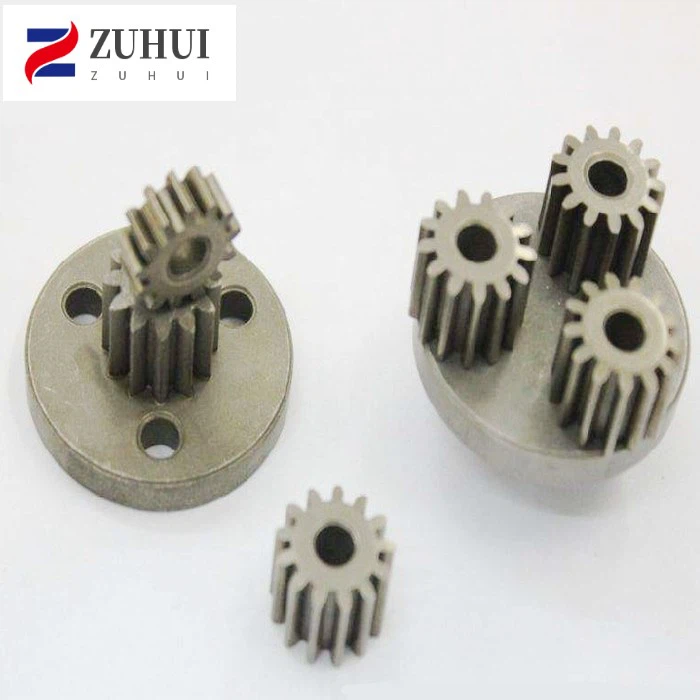
For instance, powder metallurgy has gained popularity in recent years. Powder Metal Gears are made by compacting metal powders into the desired shape and then sintering them at high temperatures. This process allows for the production of gears with complex geometries and excellent mechanical properties. The use of powder metallurgy can reduce material waste and manufacturing costs, making it an attractive option for mass - producing Metal Gears Small.
Another exciting development is the use of ceramic - metal composites. Ceramics offer high hardness, wear resistance, and low friction coefficients. By combining ceramics with metals, engineers can create gears that are more durable and efficient. These composite gears can withstand higher temperatures and loads, making them suitable for applications in harsh environments, such as aerospace and automotive engines.
Precision Manufacturing Techniques
Precision is crucial in the production of Metal Gears Small. Even the slightest deviation in dimensions can lead to gear failure and reduced performance. Recent advancements in manufacturing techniques have enabled the production of gears with extremely high precision.
Computer - Numerical - Control (CNC) machining has been a game - changer in gear manufacturing. CNC machines can precisely control the cutting tools, allowing for the production of gears with tight tolerances. This technology has significantly improved the quality and consistency of Metal Gears Small. Additionally, multi - axis CNC machines can perform complex machining operations in a single setup, reducing production time and costs.
Additive manufacturing, also known as 3D printing, is another emerging technology in gear production. 3D printing allows for the creation of gears with complex internal structures that are difficult or impossible to achieve with traditional manufacturing methods. For example, lattice structures can be incorporated into gears to reduce weight while maintaining strength. This technology also enables rapid prototyping, allowing engineers to quickly test and refine gear designs.

Surface Treatment and Coatings
Surface treatment and coatings play a vital role in enhancing the performance and lifespan of Metal Gears Small. New surface treatment technologies are being developed to improve the wear resistance, corrosion resistance, and friction characteristics of gears.
Nitriding is a popular surface treatment method for gears. It involves diffusing nitrogen into the surface of the gear to form a hard nitride layer. This layer can significantly improve the wear resistance of the gear, reducing the need for frequent replacements. Another surface treatment technique is carburizing, which involves introducing carbon into the surface of the gear to increase its hardness.
In addition to surface treatments, advanced coatings are being used to further enhance gear performance. Diamond - like carbon (DLC) coatings are known for their low friction coefficients and high wear resistance. Applying DLC coatings to Metal Gears Small can reduce energy losses due to friction and increase the overall efficiency of the gear system.
Smart Gears and Sensor Integration
The era of the Internet of Things (IoT) has also reached the world of Metal Gears Small. Smart gears are emerging as a new trend, with sensors integrated into the gear structure to monitor their performance in real - time.
These sensors can measure parameters such as temperature, vibration, and torque. By collecting and analyzing this data, engineers can detect early signs of wear, fatigue, or misalignment. This proactive approach to maintenance can prevent gear failures and reduce downtime. For example, if a sensor detects an abnormal increase in temperature, it can trigger an alarm, allowing maintenance personnel to take corrective action before a serious problem occurs.
Smart gears can also be connected to a central monitoring system, enabling remote monitoring and control. This is particularly useful for applications in remote locations or in industries where continuous operation is critical, such as power generation and oil and gas.
Noise and Vibration Reduction
Noise and vibration are common issues in gear systems, especially in high - speed applications. Excessive noise can be a nuisance, and vibration can lead to premature wear and failure of gears. Recent advancements are focused on reducing noise and vibration in Metal Gears Small.
Optimized gear tooth profiles are being developed to reduce the impact and friction between gear teeth during meshing. For example, involute tooth profiles with specific modifications can improve the smoothness of gear operation and reduce noise. Additionally, damping materials can be used to absorb vibrations and reduce noise transmission.
Another approach is the use of dynamic balancing techniques. By precisely balancing the gears, the unbalanced forces that cause vibration can be minimized. This can improve the overall performance and lifespan of the gear system.
Applications in Emerging Industries
The latest advancements in Metal Gears Small are opening up new opportunities in emerging industries. In the renewable energy sector, for example, small gears are used in wind turbines and solar tracking systems. The high - efficiency and durability of the latest Metal Gears Small are crucial for maximizing the energy output of these systems.
In the medical device industry, Metal Gears Small are used in a variety of applications, such as surgical robots and drug delivery systems. The precision and reliability of these gears are essential for ensuring the safety and effectiveness of medical devices.
In the consumer electronics industry, small gears are used in devices such as smartphones, cameras, and drones. The trend towards smaller and more powerful devices requires gears that are not only small but also highly efficient and reliable.
Connect with Us for Your Gear Needs
As a leading supplier of Metal Gears Small, we are at the forefront of these technological advancements. We are committed to providing our customers with the highest - quality gears that meet their specific requirements. Whether you need Powder Metal Gears, Starter Sun Pinion Gear, or Sintering Planetary Gear, we have the expertise and resources to deliver.
If you are interested in learning more about our products or would like to discuss your gear requirements, please don't hesitate to reach out. We look forward to the opportunity to work with you and contribute to the success of your projects.
References
- Kalpakjian, S., & Schmid, S. R. (2006). Manufacturing Engineering and Technology. Pearson Prentice Hall.
- Budynas, R. G., & Nisbett, J. K. (2011). Shigley's Mechanical Engineering Design. McGraw - Hill.
- ASM Handbook Committee. (2000). ASM Handbook: Volume 2: Properties and Selection: Nonferrous Alloys and Special - Purpose Materials. ASM International.